UTV Track Systems:
What to Know
Before You Buy.
Practical guides for side-by-side and UTV owners comparing track systems for snow, mud, ranch work, hunting access, and year-round utility — written by the team that lives this every day.
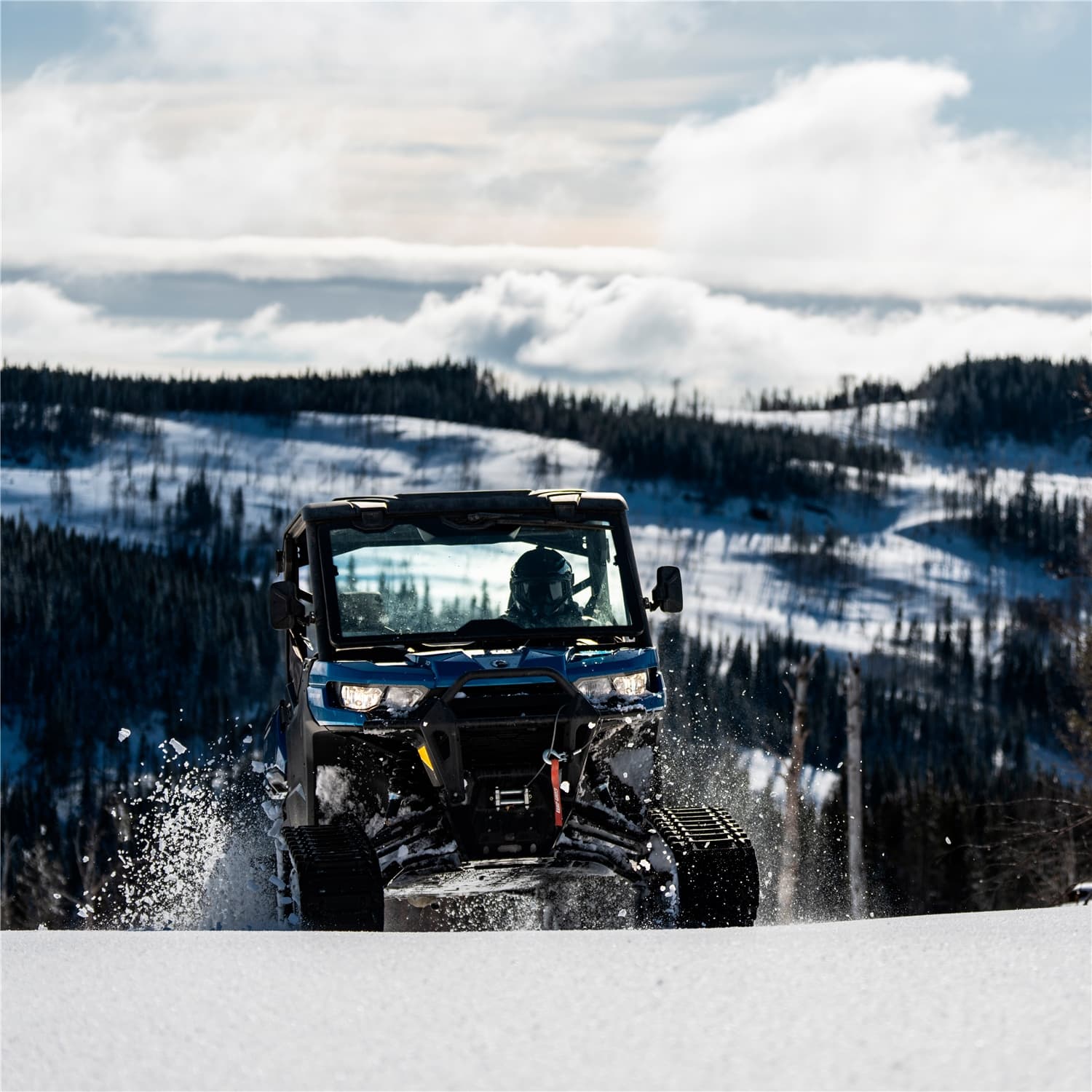
Built by the team behind ATVTracks.net
Independent-style education. Real product experience. Written for owners, not the search box.
- Learn how UTV tracks work
- Compare brands & models
- Understand fitment before buying
- Know what to expect after install
New to UTV Tracks? Begin With the Fundamentals.
Four guides that cover 90% of what new buyers wish they'd read first. Quick, practical, and free.
Are UTV Tracks Worth It?
Where tracks shine, where they struggle, and whether they make sense for your machine and the way you actually ride.
How UTV Track Systems Work
Drive sprockets, idlers, rails, mounting kits, ground pressure, steering changes — the mechanics, in plain language.
How Much Do UTV Tracks Cost?
A practical breakdown of system cost, install, accessories, maintenance, and the seasonal value math.
What to Know Before Buying
Year, make, model, suspension, bolt pattern, install kits — and the questions every buyer wishes they'd asked.
Choose Tracks Based on How You Ride.
The same track system that's perfect for a Vermont snowmobile trail is overkill on a Texas hunting lease. Match the system to the job.
Snow & Winter Access
Plowing, snowy two-track, deep powder — where tracks earn their keep most.
Ranch, Farm & Utility Work
Mud lots, manure pack, pasture access — when the truck won't make it but the work still has to.
Hunting & Backcountry Access
Reach the stand, the lake, the wall tent — without leaving ruts or getting stuck.
Ice Fishing
Crossing variable ice, slush, and shoreline transitions with the gear you need.
Mud & Soft Ground
Bogs, spring thaw, wet trail — and the real story on how tracks behave in soup.
Cabins & Remote Property
Year-round access to off-grid places without a dedicated snowmobile or plow truck.
Track Systems Worth Knowing.
Every credible UTV track system on the market today — Camso's range (including the new ENDUR), the full Kimpex Commander family, Soucy's wheel-guided HD4Pro, Polaris's OEM Prospector Pro 2.0, and Mattracks's industrial-heritage EZ-series.
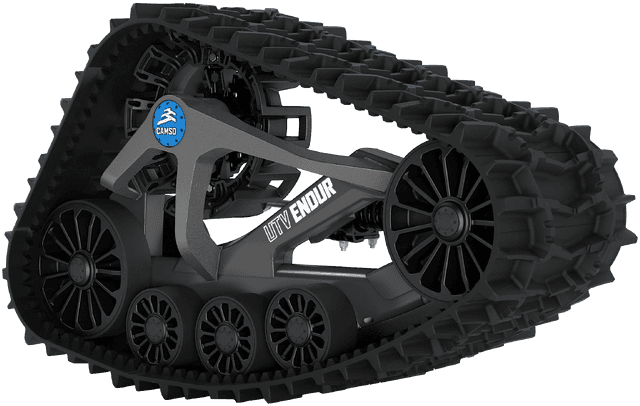 New
NewUTV ENDUR
New 2026 heavy-duty for 1000cc+ UTVs.
Pre-order · MAP pricing
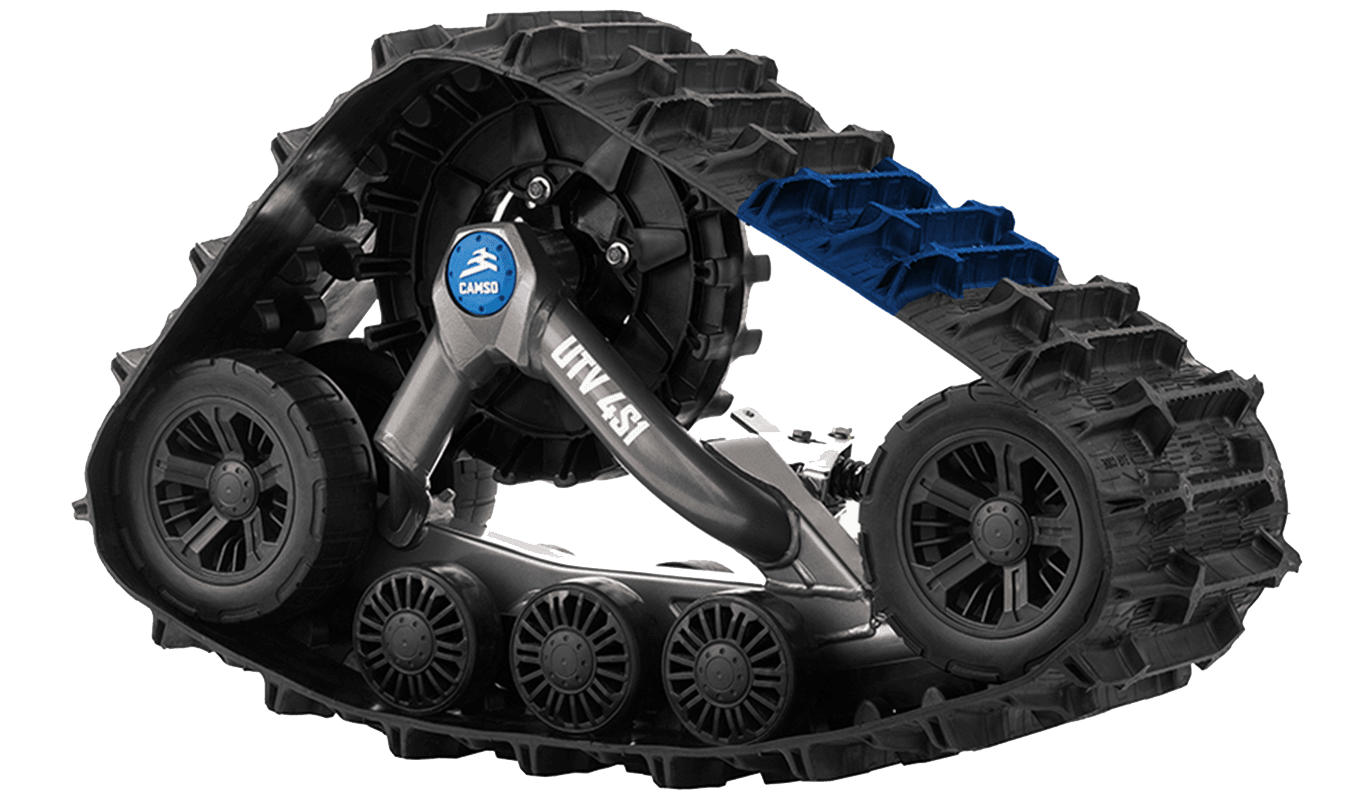 Default
UTV 4S1
Established 4-season UTV track. Camso's volume product.
Contact dealer · MAP
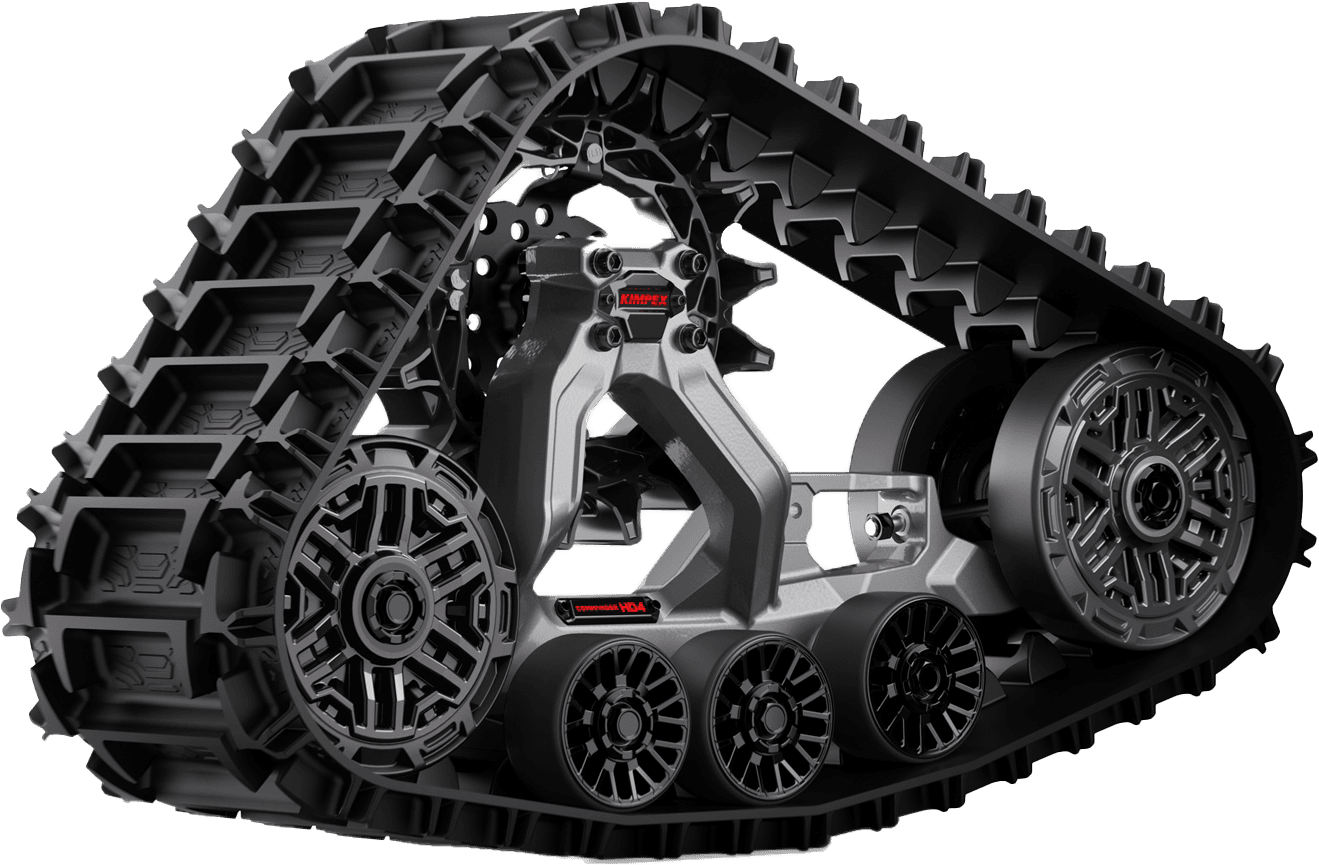 Heavy-Duty
Commander HD4
Heavy-duty 4-season Commander. Not the Soucy HD4Pro.
Contact Kimpex dealer
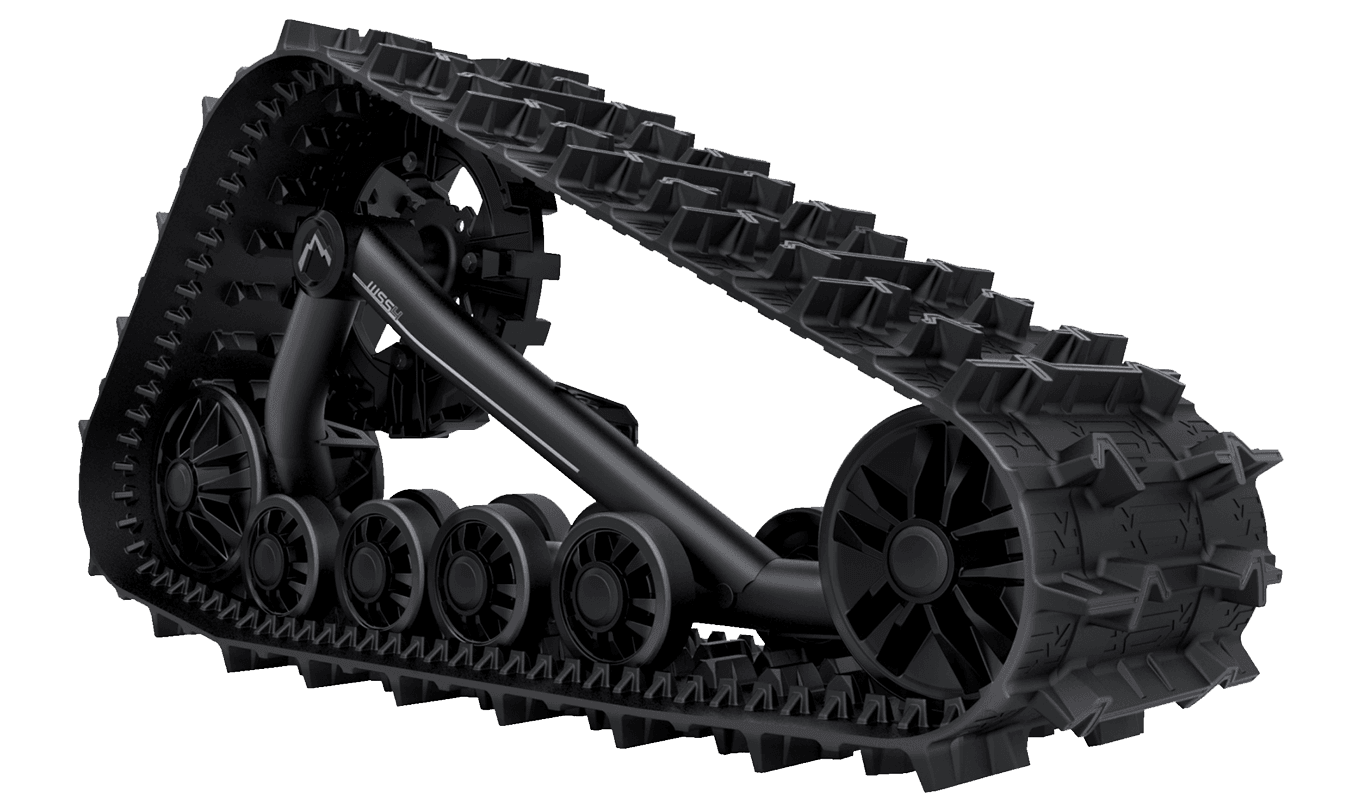 Soft Snow
Commander WSS4
Wider stance for soft-snow flotation.
Contact Kimpex dealer
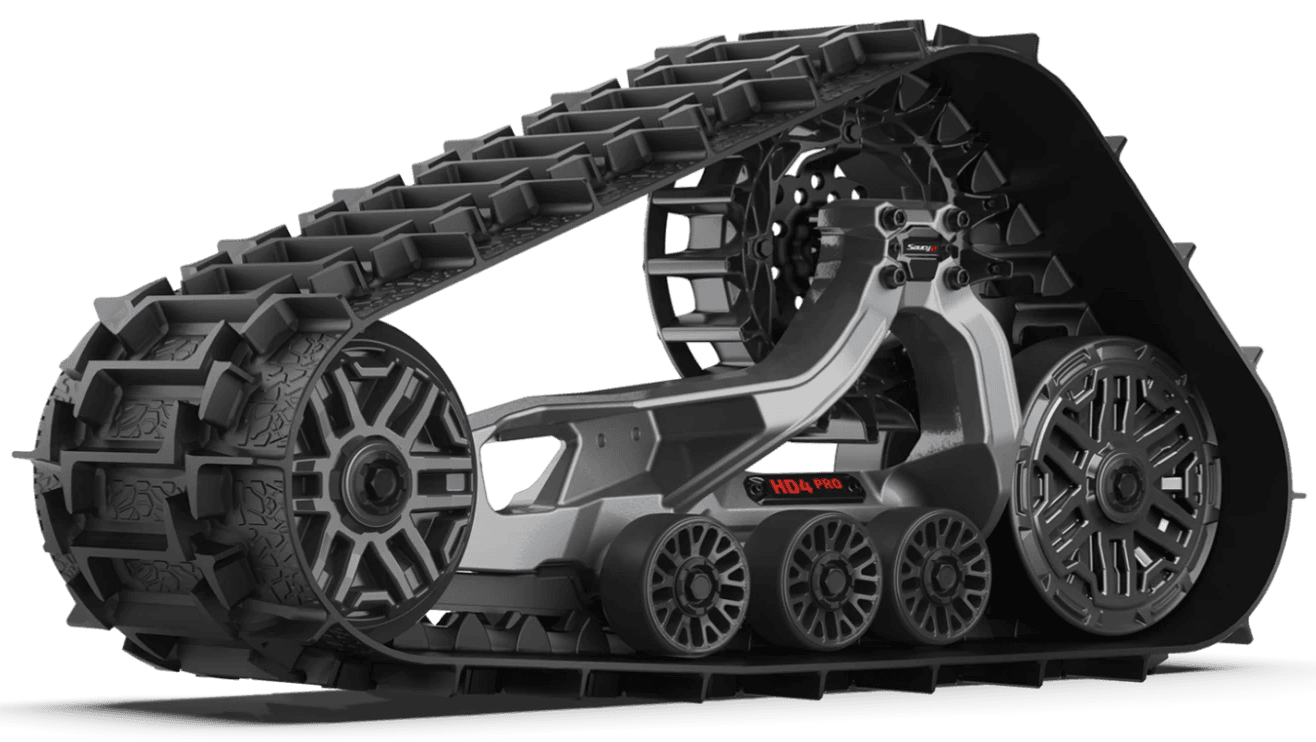 No Slides
HD4Pro
Wheel-guided. No slide-guide maintenance. 4,000 lb load. Not the Kimpex HD4.
Contact Soucy dealer
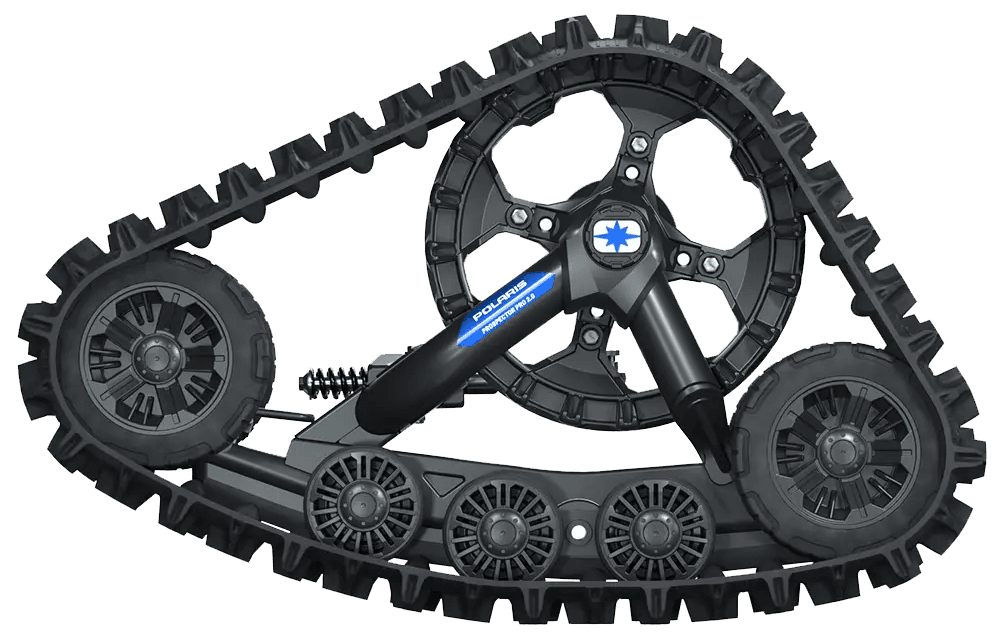 OEM
OEMProspector Pro 2.0
Polaris first-party with Flex-Track. Published MSRP.
$5,999.99 MSRP (Ranger)
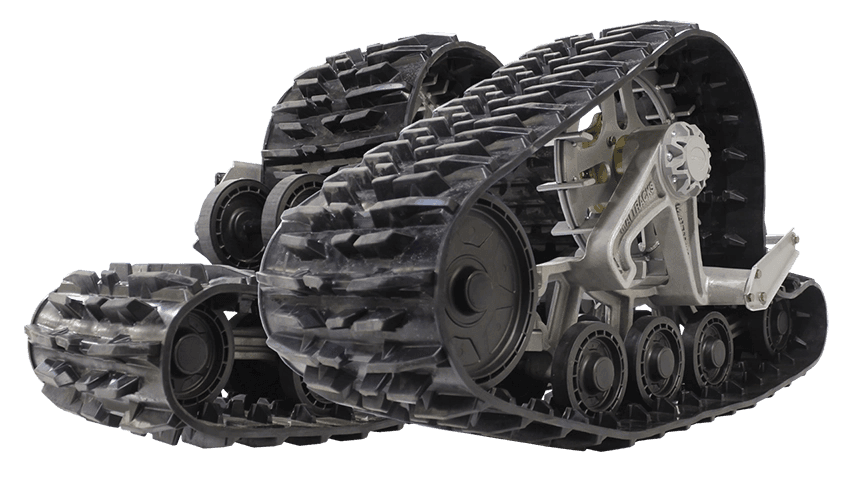 Heritage
EZ-Series
30+ year track-conversion heritage. The lightweight ATV/UTV Mattracks line.
~$6,800 – $15,700 (UTV)
Compare Popular UTV Track Systems.
Not every track system is built for the same job. Compare common options by terrain, ride quality, durability, maintenance, and fitment needs.
Camso ENDUR vs 4S1
The closer Camso ladder decision — new heavy-duty for 2026 vs the established 4-season default.
Camso ENDUR vs Kimpex HD4
Cross-brand heavy-duty UTV showdown. Two real choices for 1000cc+ work users.
Kimpex HD4 vs Soucy HD4Pro
Confusingly similar names, different brands. The disambiguation — plus the honest comparison.
Kimpex WSS4 vs Camso 4S1
Cross-brand 4-season head-to-head. Wider soft-snow vs UTV-focused all-rounder.
Camso vs Kimpex vs Soucy
Three serious premium brands. Lineup breadth, dealer network, and the wheel-guided alternative.
UTV Track Fitment Is Not One-Size-Fits-All.
Before buying tracks, confirm more than just make and model. Year range, suspension, hub pattern, gearing, clearance, and install kit requirements all matter.
- Year range
- Suspension type
- Hub bolt pattern
- Gear ratio & speed
- Frame clearance
- Install kit version
Need exact fitment?
Our sister site keeps an up-to-date fitment database and can match a track system to your VIN, year, and trim.
What Most Buyers Wish They Knew First.
The honest stuff. Tracks change more than just traction — they change how your UTV drives, stores, and gets maintained. Eight things to weigh before you commit.
Steering Effort Changes
Tracks have more rolling resistance than tires. EPS helps, but expect a different feel — especially at low speed and full lock.
Speed Expectations
Most setups top out 25–40 mph and feel happiest in the 10–25 mph range. Gearing changes can help, but tracks aren't built to fly.
Install Kits Matter
The bracket kit is half the system. A wrong or worn kit makes a perfect track ride poorly — and can damage your hubs over time.
Ground Clearance Shifts
Tracks usually lift the machine 2–4 inches. That's great for snow, but watch for new steering geometry, driveline angles, and shed-door height.
Maintenance Is Real
Bearings, idlers, sprockets, and track tension all need attention. Skipping maintenance is the #1 reason owners think tracks 'aren't worth it.'
Sometimes Overkill
In dry, hard, rocky terrain you may be punishing your machine for capability you don't need. Tires + chains may be the smarter buy.
Trailer & Storage
Tracks add width and weight. Confirm trailer width, ramp angle, and garage clearance before the install — not after.
Machine Suitability
Not every UTV is equally suited. Power-to-weight, EPS, and frame design all change how tracks feel. We'll tell you the truth either way.
Latest UTV Track Guides.
New articles each month — written by owners and installers, not a content farm.
Best UTV Tracks for Snow
Which systems handle deep powder, packed two-track, and shoreline ice best — and the runners-up worth knowing.
How Fast Can You Drive with UTV Tracks?
Real-world top speeds by brand and machine, and why pushing past the sweet spot kills tracks early.
Do UTV Tracks Damage Your UTV?
The honest answer: it depends. Here's what to watch — bearings, CVT, frame, and hub stress.
Can You Use UTV Tracks Year-Round?
Why some owners run tracks 12 months, and why most should swap back to tires in the dry season.
UTV Tracks for Ranch & Farm Work
Where tracks shine on a working property — and where they actually make life harder.
Preseason Maintenance Checklist
What to check on your tracks before the first snow falls — printable checklist included.
Ready to price a
track system?
Once you understand what kind of track system makes sense for your machine and terrain, ATVTracks.net can help with fitment, current options, and pricing — without the high-pressure dealer routine.
No pressure, no fake urgency. We'd rather help you skip the wrong system than sell you one you'll resent in March.
UTV Tracks: Quick Answers.
The eight questions we get asked most often. If yours isn't here, the buyer's guide probably covers it.
It depends entirely on your terrain and how often you face it. Tracks are transformational for snow, deep mud, and soft ground. They're overkill — and a maintenance burden — on dry trail. The break-even isn't 'do you want them,' it's 'how many days per year do they actually solve a problem you have.'
Most modern side-by-sides have a track option, but not all are equally well-suited. Power-to-weight, EPS, frame stiffness, and clearance all matter. We have a fitment guide for each major brand to help you check before you buy.
Plan on roughly $4,000–$6,500 for a quality four-season track system, plus install kit and labor. Premium systems and specialty applications can push higher. Budget for maintenance parts in year two — bearings and idlers don't last forever.
Excellent in soft, deep mud and over saturated ground where a tire would just dig a hole. Less impressive in slick, shallow, clay-style mud where flotation isn't the issue and a paddle tire might actually win.
Most UTVs on tracks top out around 25–40 mph, and they're happiest at 10–25. Speed is mechanically possible higher, but it wears tracks fast and stresses the driveline. Tracks are about access, not pace.
They add stress — to bearings, CVT, hubs, and axles — because they have more rolling resistance and grip than tires. A healthy machine, the right install kit, and reasonable use habits keep that stress manageable. We have a guide on the specific failure modes to watch.
Technically yes, briefly. Practically no — pavement chews up the rubber and stresses the drivetrain. Most owners trailer to the job site or run tracks only on private property and gravel.
A capable DIYer can install most systems in 2–4 hours with the right tools and the install kit instructions. That said: getting the bracket geometry right matters, and a dealer install is worth the money if you're unsure. Bad install equals bad ride.